*Clink* The Sound of New Years Eve
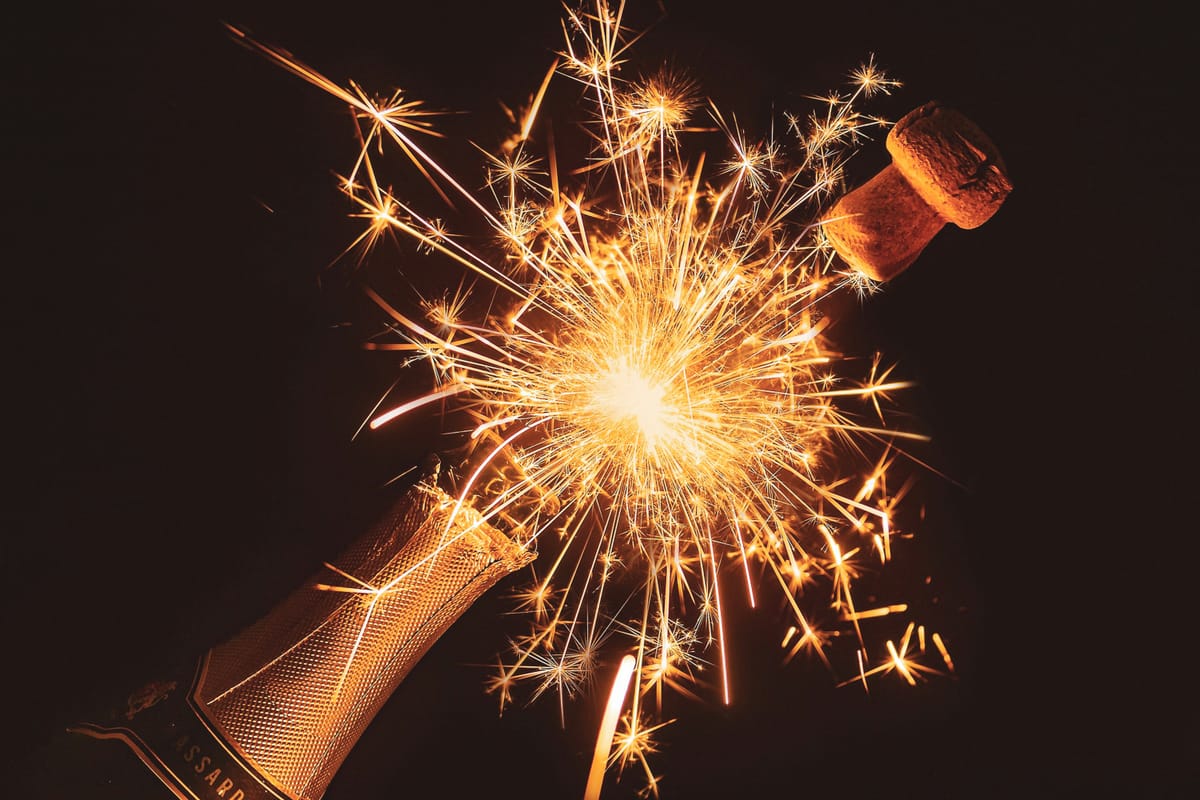
From bonfires and effigies to glittering balls and televised countdowns, New Year’s Eve
in the United States has always reflected the spirit of its time. What we now experience as a night of resolutions, parties, and shared anticipation is the result of centuries of evolving traditions—some joyful, some political, and many deeply communal.
Colonial Roots and Ritualized Protest (1605–1780)
The earliest American celebrations tied to the turning of the year were inherited from Europe and reshaped by colonial life. Traditions like Guy Fawkes Day, imported as “Pope Day,” used parades, effigy burnings, and public spectacle to channel social tension. Over time, these rituals became powerful tools of protest. When British policies such as the Stamp Act and Tea Act angered colonists, familiar festive customs were repurposed into acts of resistance. Bonfires, mock trials, and symbolic violence culminated during the Revolution, when celebrations surrounding independence included the ceremonial destruction of royal symbols. At the same time, marginalized communities created their own observances, such as Negro Election Day, asserting identity and solidarity within a restrictive society.

The 19th Century and the Shape of Modern Celebrations (1811–1900)
As the young nation stabilized, New Year’s traditions began shifting away from overt political protest toward timekeeping, reflection, and hope. The introduction of maritime time balls—first in England, then in the United States—linked the holiday to precision and the measurement of time itself. One of the most profound New Year’s Eve moments occurred on December 31, 1862, when enslaved people and abolitionists gathered for Watch Night, waiting for the Emancipation Proclamation to take effect at midnight. That moment forever tied New Year’s Eve to freedom, renewal, and spiritual reflection, particularly within Black communities. By the late 19th century, fireworks, public gatherings, and New Year’s resolutions had become widespread, laying the groundwork for the celebrations we recognize today.
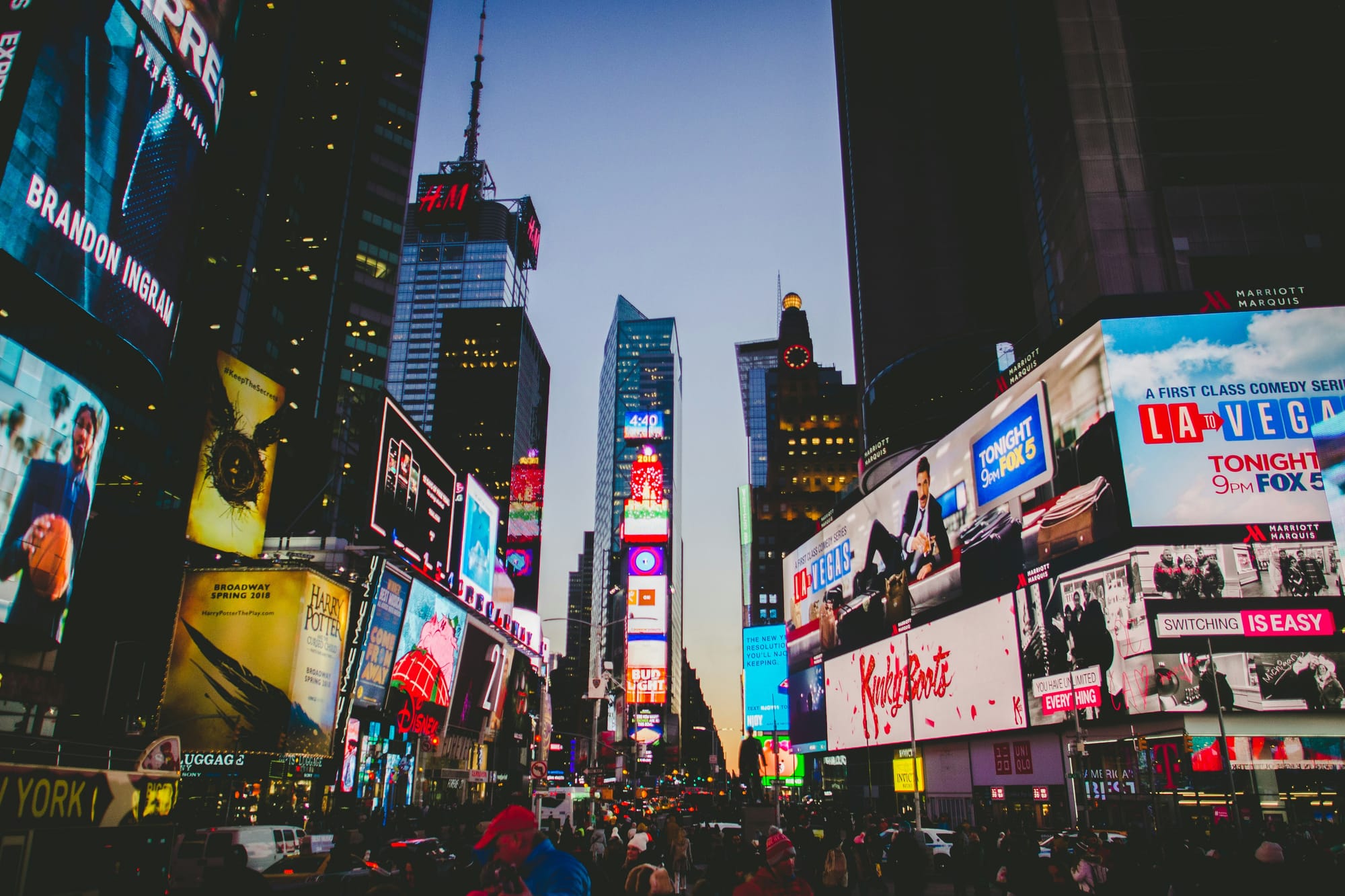
Times Square, Radio, and Television (1904–1999)
The 20th century transformed New Year’s Eve into a national spectacle. When celebrations moved to Times Square in 1904, New York City became the symbolic heart of the holiday. The first ball drop in 1907 replaced fireworks and created an enduring visual ritual. Radio broadcasts in the 1920s and television in the postwar era brought the countdown into American living rooms, with figures like Guy Lombardo and later Dick Clark defining the sound and tone of the night. Alternative celebrations also emerged, such as Boston’s First Night, offering alcohol-free, arts-centered festivities. By the end of the century, New Year’s Eve had become both deeply personal and massively shared, uniting millions around a single moment.
The 21st Century: Reflection in a Changing World (2000–Present)
In recent decades, New Year’s Eve has continued to adapt. Celebrity hosts rotated, technology refined the ball drop, and economic challenges reshaped public celebrations. The COVID-19 pandemic marked one of the most dramatic disruptions, scaling back or canceling gatherings nationwide. Yet the core meaning endured. Even when traditions pause or change, the desire to mark time, reflect on the past, and hope for what’s ahead remains constant.
Taken together, the history of New Year’s Eve is a cultural tapestry. Individual threads—Pope Day, time balls, Watch Night, televised countdowns—may fade or transform, but they remain woven into how we collectively welcome a new year.
As we turn the page on another year, the Vampire Penguin team will be doing the same. Our store will be closed on December 31 and January 1 while we take time to celebrate together. We’ll be ringing in the New Year at Golden Hoosier, raising a glass amid its eclectic decor, and looking ahead with gratitude, reflection, and excitement for what’s to come. If you are in St. Louis during the New Years, checkout Golden Hoosier