Coffee We Love
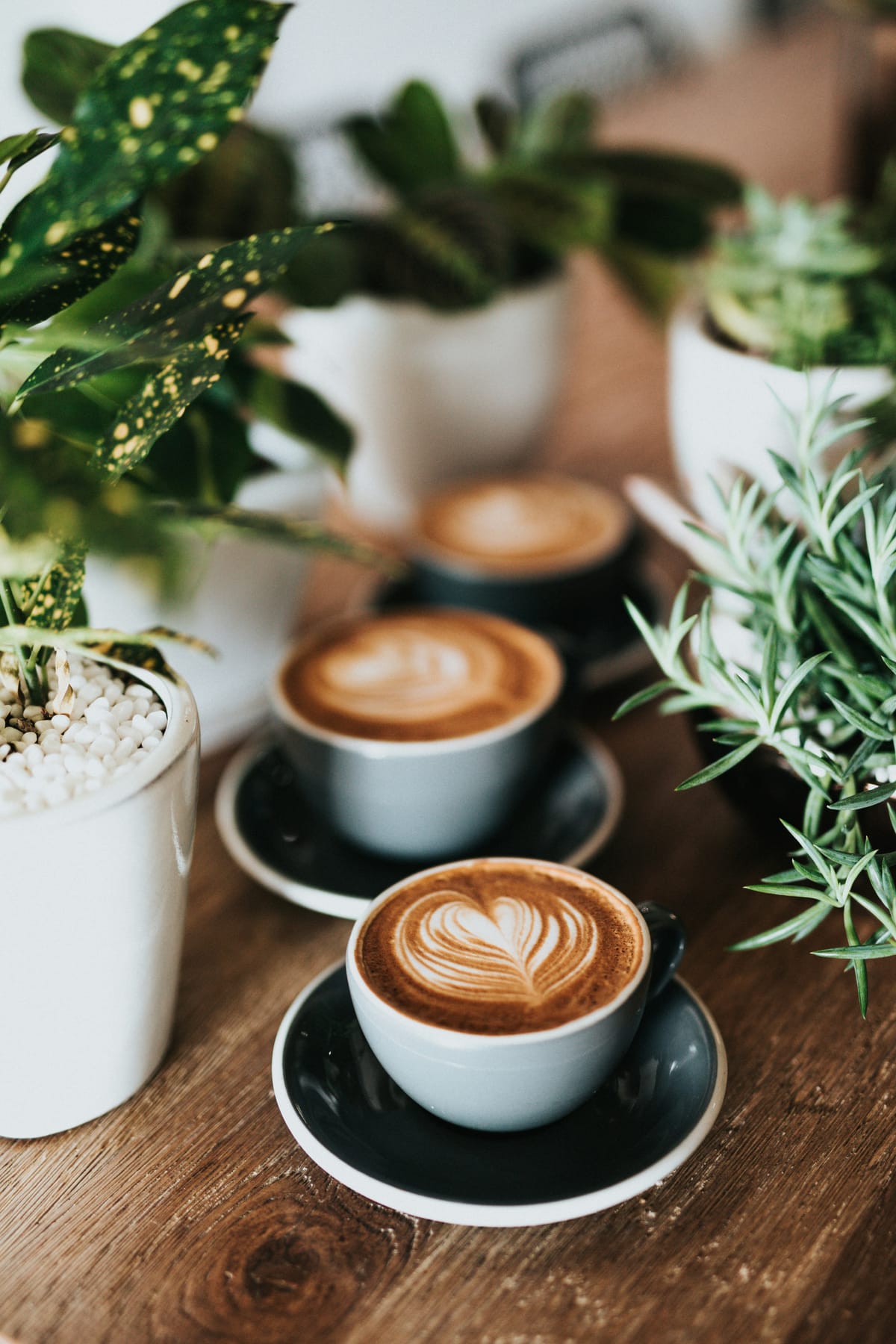
In the US alone, it is estimated that as of 2009 the yearly individual consumption was around 4.09 kilos! That's a lot of coffee per person!
Coffee may be the morning pick me up of most but did you know that chemically it is more complex than wine! A typical glass of wine contains around 300 chemical compounds that affect its taste while coffee has well in excess of 1,000 (Jonathan Morris Making Italian Espresso). Most of us can agree that all these compounds come together to form a warm and comforting drink on a cold winter day.
What is Espresso Anyway?
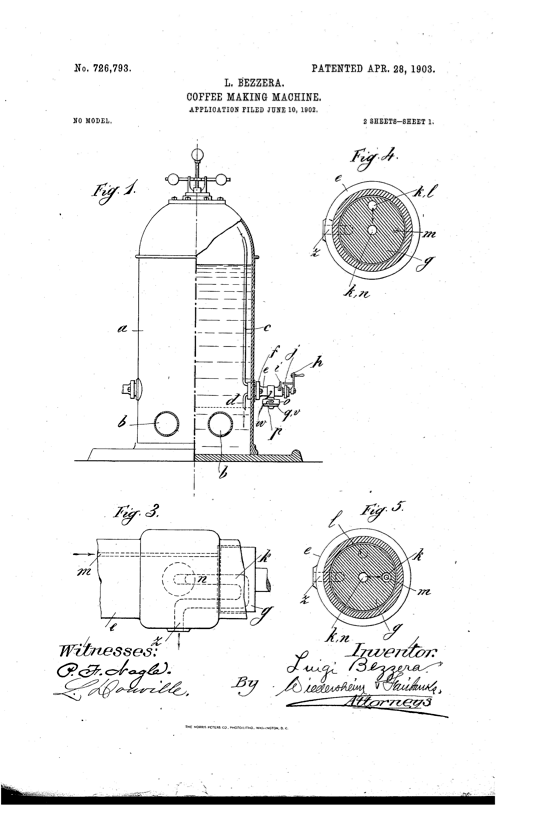
It's just "bean water" right? Espresso is far more than a concentrated shot of coffee; it is a foundational element of Italian identity and a global cultural phenomenon born from the pursuit of speed, efficiency, and industrial innovation. The history of espresso began as a technological solution to the slow brewing methods of the late 19th century, with Angelo Moriondo filing the first patent for a steam-powered coffee machine in 1884 to serve customers in "just a few moments". This early innovation was refined by Luigi Bezzera, whose 1901 patent introduced the idea of brewing a fresh cup "expressly" for the customer—a concept industrialized by Desiderio Pavoni under the "La Pavoni" brand.
The cultural impact of these machines was immediate, facilitating the rise of "American bars" in Italy where patrons socialized while standing at a counter—a practice so notable that the first such bar in Florence was nicknamed the "Caffè dei Ritti" or "Coffee of the Upright". These early espresso machines were celebrated as symbols of Italian modernity, characterized by Futurist-influenced aesthetics and an emphasis on rapid service that mirrored the speed of the era's locomotives. This established coffee as a form of "banal nationalism," a shared daily sensory ritual that served as a symbol of belonging to the Italian nation.
A second major shift occurred between 1947 and 1948 when Achille Gaggia introduced the lever-piston machine, which abandoned steam in favor of high-pressure water. This technological leap lowered the brewing temperature and produced the "crema," a natural layer of oils that became the hallmark of modern espresso and initially distinguished it from older, bitter steam extractions as "crema caffè".By the post-war "economic miracle" of the 1950s and 60s, espresso bars like the "Bar Sport" became essential community social hubs where workers gathered to connect over a quick, affordable shot. The 1961 launch of the Faema E61 further solidified this culture by introducing "continuous delivery" and a lower physical profile that allowed baristas to maintain eye contact and conversation with customers, cementing the espresso bar as Italy's "minimum unit of civilization".To understand the cultural transition, if early coffee brewing was like a long, slow-moving novel, the invention of the espresso machine turned it into a punchy, daily poem, changing the pace of life and turning a simple beverage into a rapid social "punctuation mark".
Bring the Culture and Vibes
When winter approached, the Vampire Penguin team set out to create something for our customers that would delight just like our shaved snow. We wanted to capture the warmth of a cozy conversation in every enjoyable sip. While we are experts in shaved snow, coffee and espresso were a whole new world for us—so we set out to learn everything we could. We also wanted to create a drink that reminded us of home.
Enter our hot chocolate and mocha creations! Whenever possible, we skip the syrups, melting real chocolate and steaming fresh milk in every drink.
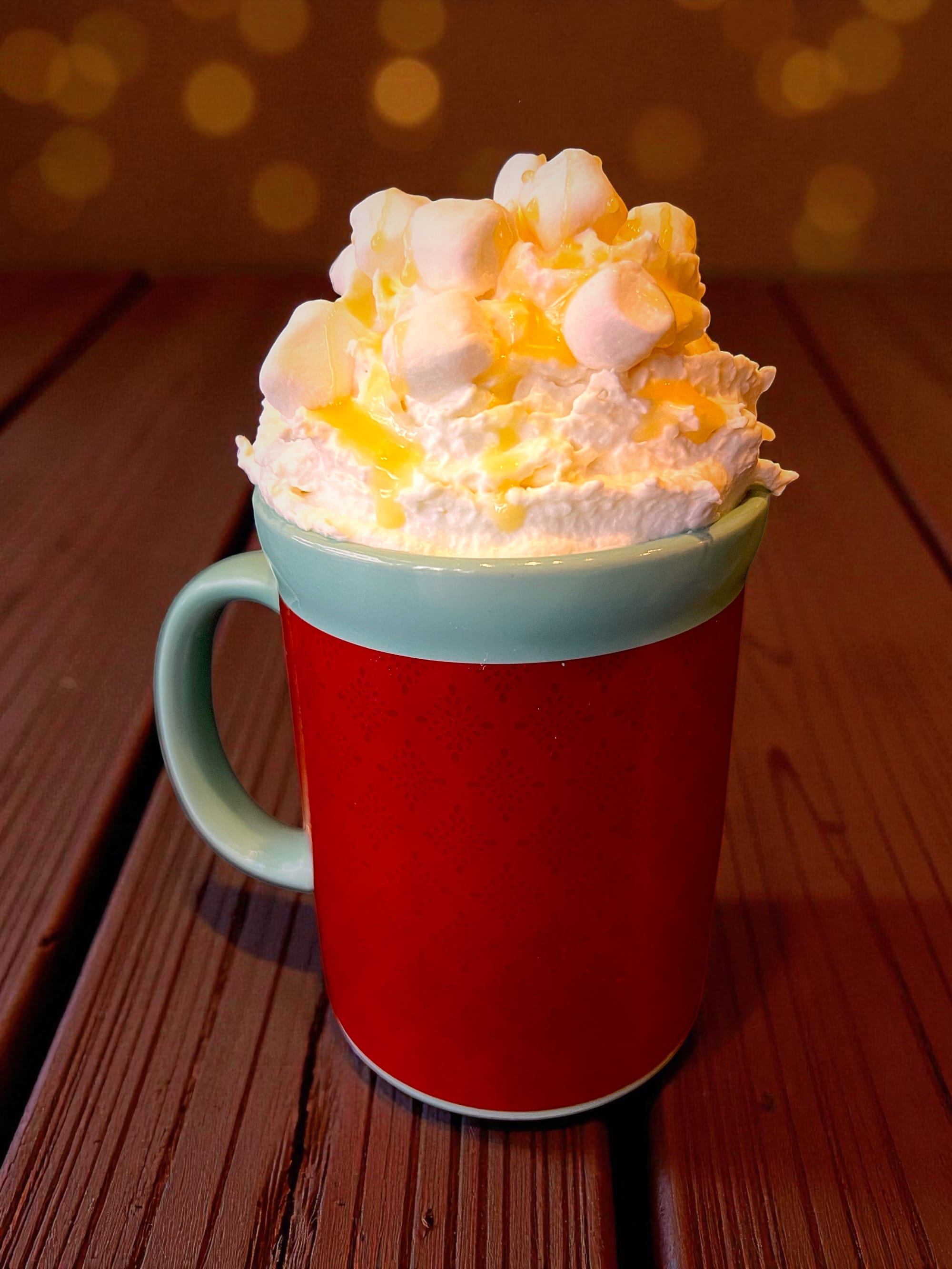
After many delicious trials, we believe we’ve crafted something everyone will love! From peppermint white chocolate mochas to rich dark chocolate hot chocolate, there’s a perfect cozy cup waiting for everyone at Vampire Penguin.
If you can't wait to try it, don't worry – we deliver!