Journey to Cheesecake
Cheesecake’s
story stretches back thousands of years, evolving alongside advances in agriculture, medicine, and baking. What began as a practical source of nourishment for ancient athletes gradually transformed into the rich, creamy dessert now enjoyed around the world. Its history is less a single invention and more a centuries-long relay of culinary breakthroughs.
The earliest roots of cheesecake can be traced to around 5200 BCE along the Dalmatian coast of present-day Croatia. Early Neolithic farmers there learned to produce fermented dairy products, including cheese. This innovation was significant not only for flavor, but for survival: fermentation reduced lactose content, allowing lactose-intolerant populations to consume nutrient-dense dairy. While far from dessert, this early cheese laid the foundation for everything that followed.
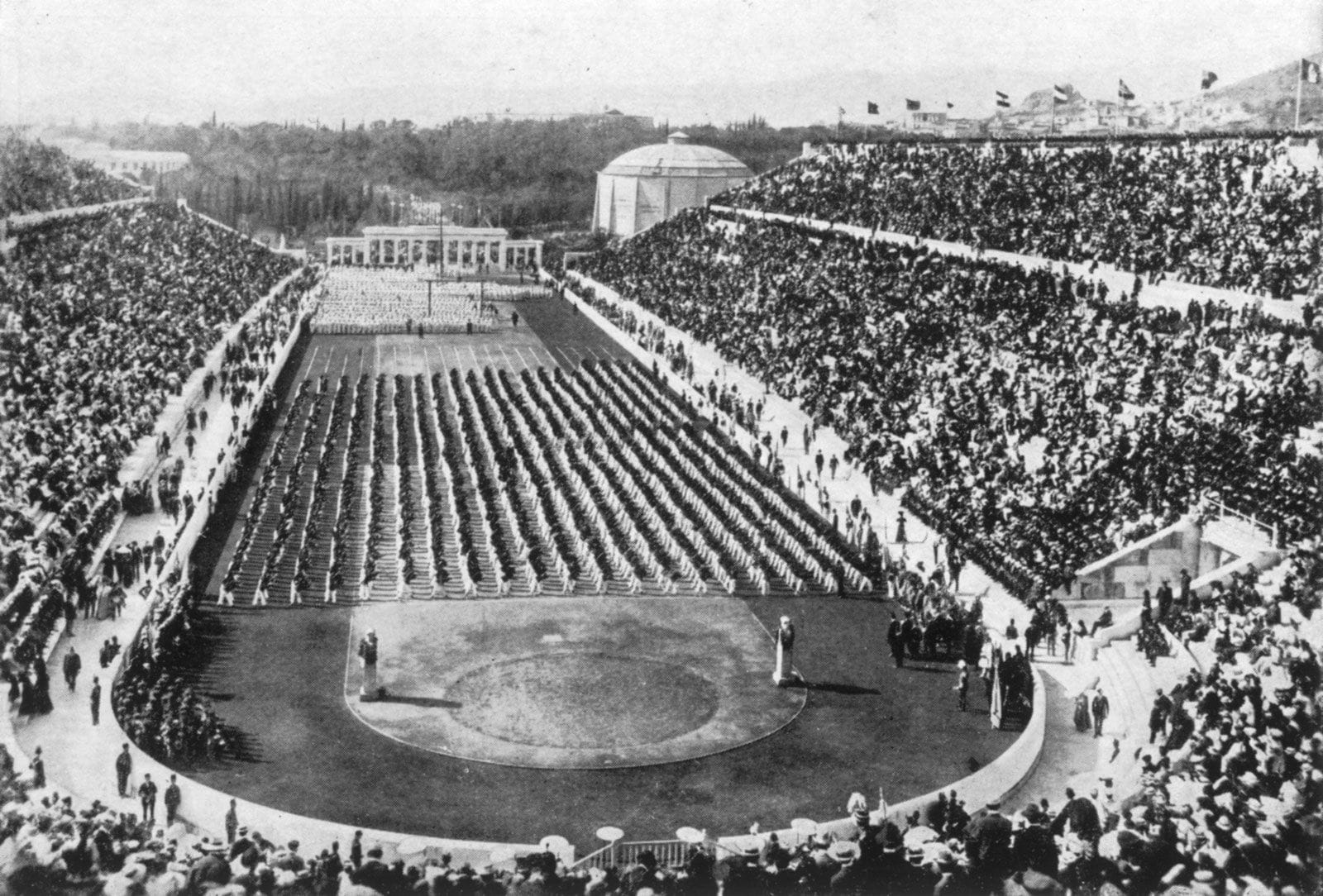
By 776 BCE, cheese had taken on a more purposeful role in ancient Greece. On the island of Samos, athletes competing in the first Olympic Games were served a rudimentary cheesecake known as plakous. Made from fresh cheese pounded smooth with flour and honey, plakous was valued as a compact source of energy. Cheesecake at this stage was functional rather than indulgent, designed to fuel physical performance rather than satisfy a sweet tooth.
The Greeks’ interest in cheesecake extended beyond athletics. In the 5th century BCE, the physician Aegimus wrote what is considered the first known book devoted entirely to cheesecake-making, plakountopoiikon sungramma. The existence of such a text suggests that cheesecake had already become a subject worthy of study, refinement, and variation within Greek culinary culture.
The Romans inherited and expanded upon Greek cheesecake traditions. In 160 BCE, Cato the Elder documented three cheesecake recipes in De Agri Cultura: libum, savillum, and placenta. Roman bakers introduced a crucial breakthrough by adding eggs and baking the cakes between hot bricks. Among these, placenta stands out as the closest ancestor to modern cheesecake, as it featured a separately prepared crust. This structural separation marked an important step toward the layered cheesecakes familiar today.
After the fall of Rome, cheesecake continued to evolve across Europe. By 1390, a more recognizably modern version appeared in England under the name sambocade, recorded in the cookbook Forme of Cury. This recipe incorporated flavorings such as elderflower and rose water, signaling a shift toward cheesecake as a refined and flavored dish rather than a simple staple. By the 15th century, the term “cheesecake” itself had entered common English usage, cementing its identity as a distinct culinary category.
A major transformation occurred in the 18th century. European bakers began removing yeast from cheesecake recipes and replacing it with beaten eggs. This change eliminated what had been described as an overpowering yeast flavor and fundamentally altered the texture and taste of the dish. Cheesecake moved away from its bread-like origins and became a sweet dessert treat, closer in spirit to custard than to bread.
The most influential breakthrough in modern cheesecake history came in 1872 in Chester, New York. William Lawrence, a local dairyman, accidentally created modern cream cheese while attempting to replicate French Neufchâtel. His version was richer, heavier, and creamier than its European counterpart. By 1880, Lawrence partnered with A.L. Reynolds to market the product as Philadelphia Cream Cheese, leveraging the city’s reputation for high-quality dairy. This ingredient would soon redefine cheesecake, particularly in the United States.
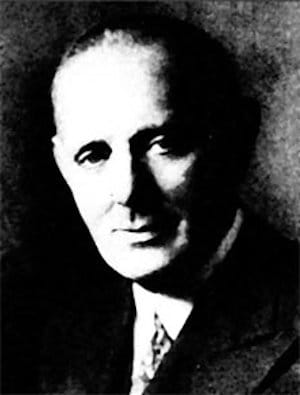
In the 1920s and 1930s, New York City became the epicenter of cheesecake’s modern identity. Deli owner Arnold Reuben is credited with inventing the New York-style cheesecake by substituting cream cheese for the cottage cheese or curds traditionally used in earlier recipes. The result was a dense, smooth, and rich dessert that quickly gained popularity. Around the same time, Leo Lindemann helped popularize this style at his deli, Lindy’s, further cementing New York cheesecake as a culinary standard.
As cheesecake spread globally, regional variations emerged. In the United States, the no-bake cheesecake was developed, relying on an uncooked cream cheese filling set atop a crumbled cookie crust. In Japan, bakers created the cotton or soufflé-style cheesecake, known for its airy, wobbly texture achieved by combining cream cheese with a chiffon-like batter. In Poland, the sernik took shape as a baked cheesecake made with twaróg, or quark, a tradition dating back to the 17th century.

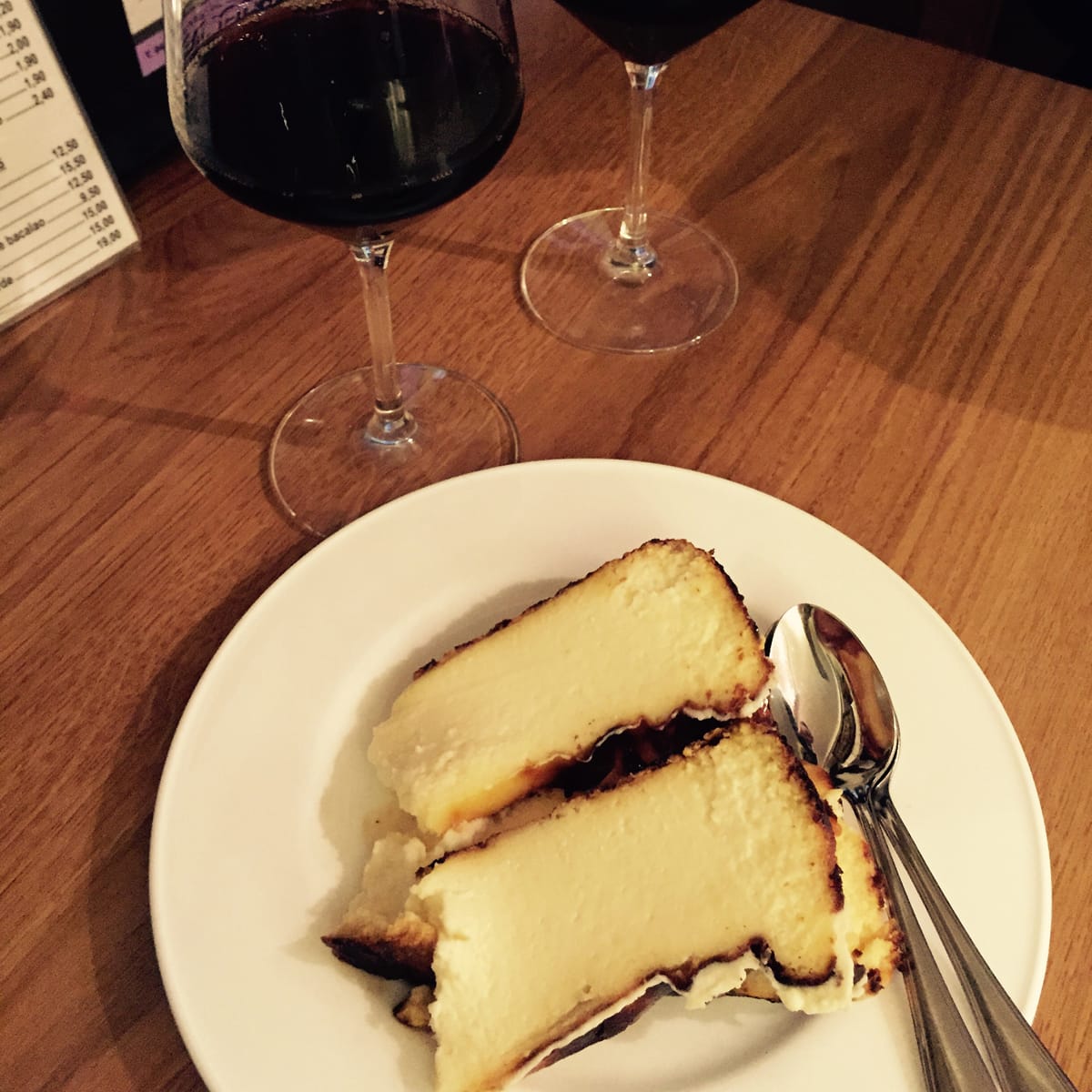
One of the most striking modern reinventions arrived in 1988 in San Sebastián, Spain. Chef Santiago Rivera created the Basque cheesecake at his bar, La Viña. This version eliminated the crust entirely and was baked at high temperatures to produce a deeply caramelized, almost burnt exterior with a custard-like center. Decades later, by 2021, this bold reinterpretation became a global viral sensation, proving that cheesecake was still capable of reinvention.
Seen as a whole, cheesecake’s history resembles a culinary relay race. The Greeks began with an energy-packed patty, the Romans added eggs and baking, 18th-century Europeans replaced yeast with sweetness, and New York bakers ultimately crossed the finish line with cream cheese. Each generation carried the dish forward, refining its texture, flavor, and purpose, until cheesecake became the indulgent dessert recognized around the world today.
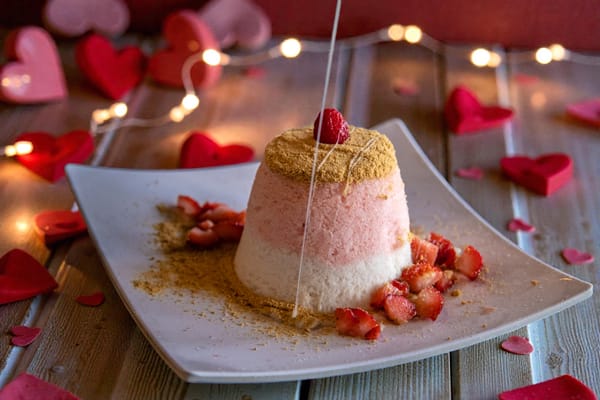
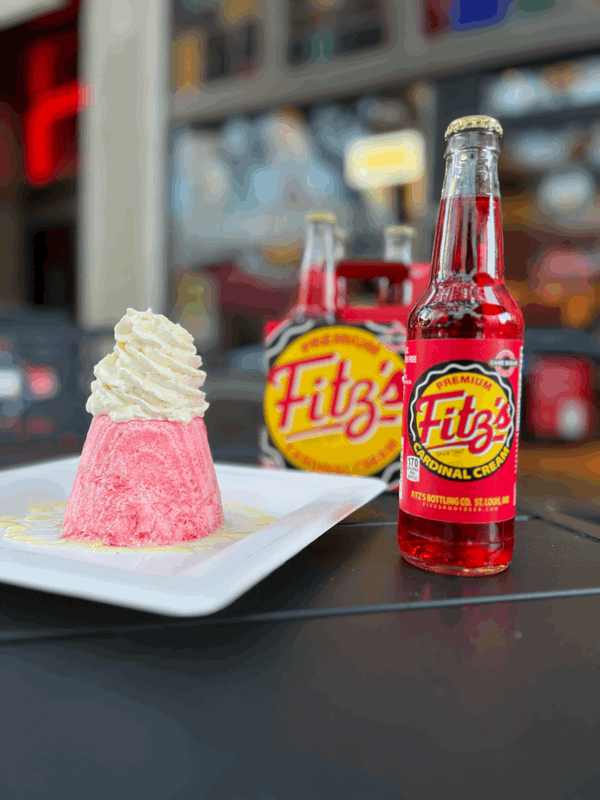
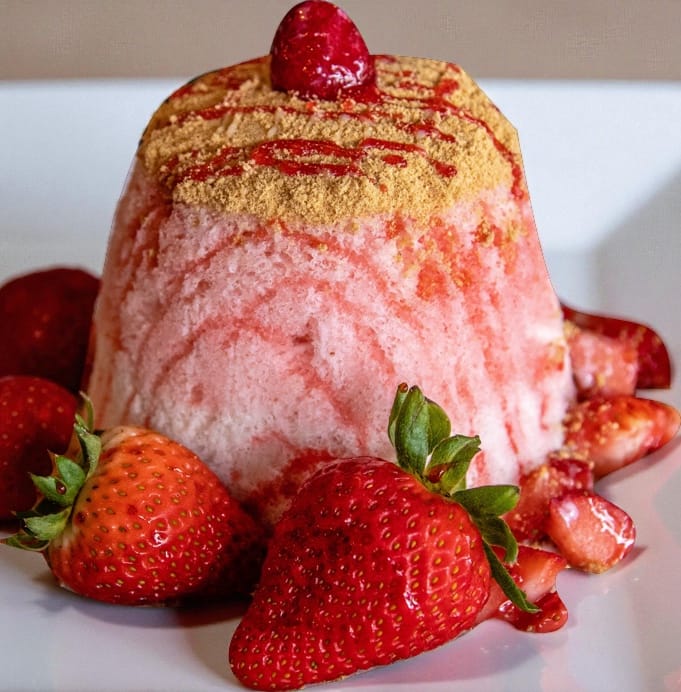
After thousands of years of evolution, cheesecake continues to prove its adaptability, and Vampire Penguin represents the latest chapter in that long culinary relay. Rather than baking or chilling, Vampire Penguin reimagines cheesecake through shaved snow—layering strawberry and vanilla snow to create a light, spoonable foundation. Topped with graham crackers, whipped cream, strawberry sauce, condensed milk, white chocolate sauce, strawberry pieces, and cheesecake bites, this version transforms the essence of cheesecake into a cold, textural dessert experience. It honors the defining elements that have shaped cheesecake over centuries—dairy richness, sweetness, and contrast—while presenting them in an entirely new form, showing that even one of history’s oldest desserts still has room to evolve.