Valentine's Day - The Surprisingly Wild History of Valentine’s Day
Valentine’s Day feels timeless. Flowers, chocolates, handwritten cards, dinner reservations that are impossible to get. It all seems like it has always existed.
But the truth is much stranger and far more interesting.
The story of Valentine’s Day stretches back over two thousand years. It begins with ancient Roman rituals, moves through Christian martyrdom and medieval poetry, and eventually lands in the middle of a multi-billion-dollar global industry. Not bad for a mid-February holiday.
Let’s start at the beginning.
Ancient Rome: Fertility Festivals and February Chaos
Long before conversation hearts and candlelit dinners, the Romans celebrated a festival called Lupercalia around February 15. Historians trace it back to at least the 6th century BCE.
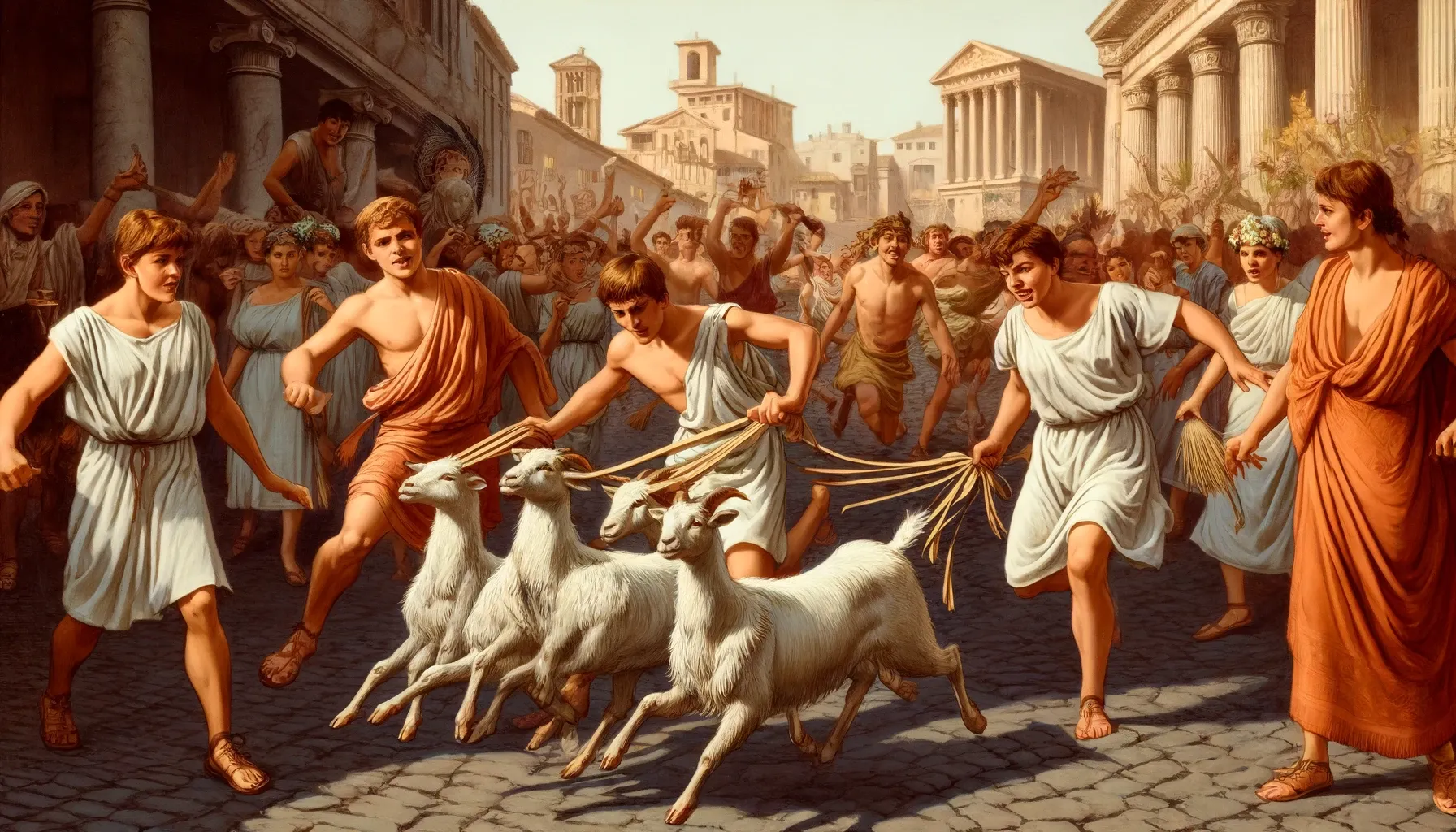
Lupercalia was meant to promote fertility. It included animal sacrifices and rituals that feel shocking by today’s standards. Roman men would lightly strike women with strips of animal hide, believing it would increase fertility and ensure healthy childbirth.
Romantic? Not exactly. But it shows that mid-February has long been associated with love, life, and reproduction.
By the late fifth century, the Christian Church had had enough of the rowdiness. Around 492 to 496 AD, Pope Gelasius I officially banned Lupercalia and declared February 14 the Feast of St. Valentine.
Some people believe this was a deliberate attempt to replace a pagan festival with a Christian one. There is no solid historical evidence that the pope intended to link the day with romance. At that point, it was simply a day honoring a martyr.
Which brings us to the next question.
Who Was St. Valentine?
The short answer is that we are not entirely sure.
Around 269 or 270 AD, during the reign of Emperor Claudius II, one or possibly more Christian men named Valentinus were executed. They were likely put to death during a period of persecution against Christians.
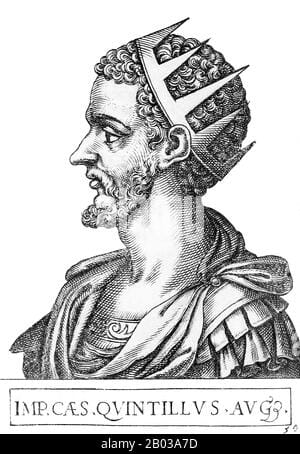
Over time, legends began to form. One story claims Valentine secretly performed marriages for soldiers. Another says he healed a jailer’s blind daughter. These tales are beautiful, but historians cannot confirm them.
What we do know is that someone named Valentine died for his faith, and February 14 became associated with his martyrdom.
The romance would come later.
The Medieval Love Story Begins
The shift from martyrdom to romance happened in the late 14th century.
Between 1380 and 1390, Geoffrey Chaucer wrote a poem called "The Parliament of Fowls." In it, birds gather on St. Valentine’s Day to choose their mates. This is the first known literary connection between February 14 and romantic love.
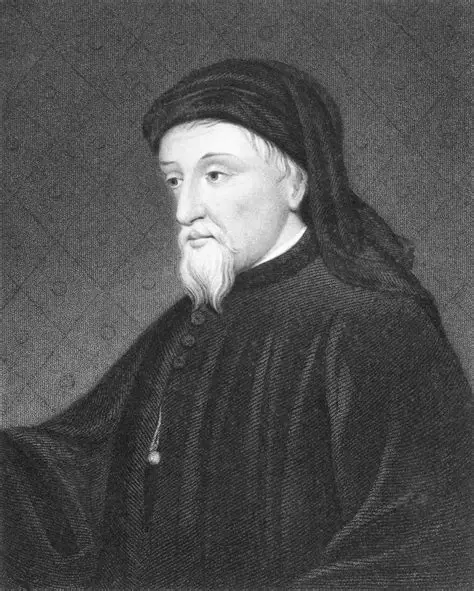
Suddenly, Valentine’s Day was not just about a saint. It became connected to courtly love, poetry, and devotion.
By 1415, we have the first recorded Valentine message. The Duke of Orleans, imprisoned in the Tower of London, wrote a letter to his wife and called her his “very gentle Valentine.” Even in captivity, love found its way onto the page.
Over the centuries, scholars worked to untangle fact from legend. From 1643 to 1940, a group of monks known as the Bollandists published detailed research on the lives of saints, including the various Valentines. Their work shows just how complicated the history really is.
America Turns It Into an Industry
For a long time, Valentine’s Day was mostly a European tradition. That changed in the 1840s in the United States.
This is where things start to look familiar.
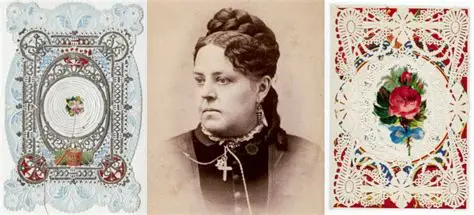
A young entrepreneur named Esther Howland began producing elaborate Valentine’s cards in Worcester, Massachusetts after graduating in 1847. Her designs featured lace, ribbons, and intricate details. By 1849, she had turned a modest order into a thriving business worth thousands of dollars. She later became known as the Mother of the American Valentine.
At around the same time, the company that would become Necco started selling candy hearts in 1847. By 1866, they had developed a method to print short messages on them using vegetable ink. Those tiny pastel candies would become one of the most recognizable symbols of the holiday.
By 1881, Howland sold her company, and Valentine’s Day had firmly entered the world of commercial enterprise.
Love Around the World
Valentine’s Day continued to evolve as it spread globally.
In Japan, a unique twist appeared in 1978 with the creation of White Day on March 14. The idea was simple and clever. Women give chocolates to men on February 14, and men return the favor a month later. It was a marketing strategy that turned into a lasting cultural tradition.
In Iran, Valentine’s Day grew popular among young people in the mid-2000s. In response, authorities banned the sale of Valentine-themed goods in 2011 and promoted an older Persian festival called Sepandārmazgān instead.
The holiday adapts wherever it goes. Sometimes it is embraced. Sometimes it is resisted. But it rarely disappears.
The Modern Celebration
Today, Valentine’s Day is a global phenomenon. In 2024 alone, consumers in the United States spent an estimated 25 billion dollars on the holiday.
That includes flowers, jewelry, dining out, candy, greeting cards, and plenty of last-minute gifts.
It is easy to roll your eyes at the commercial side of it all. But when you zoom out, the story is remarkable. A day that began with ancient fertility rituals and honored a little-known martyr eventually transformed into a worldwide celebration of love.
That is quite a journey for a single date on the calendar.
So whether you celebrate with a partner, friends, family, or simply treat yourself to chocolate, you are taking part in a tradition that has been evolving for more than two thousand years.
Not bad for a holiday in the middle of February.