What is Shaved Snow?
Shaved Snow, Shave Ice, and Snow Cones?
What’s the Difference?
We get this question a lot whenever customers try our dessert for the first time. So, what exactly is the difference between shaved snow, shave ice, and snow cones?
Snow Cones
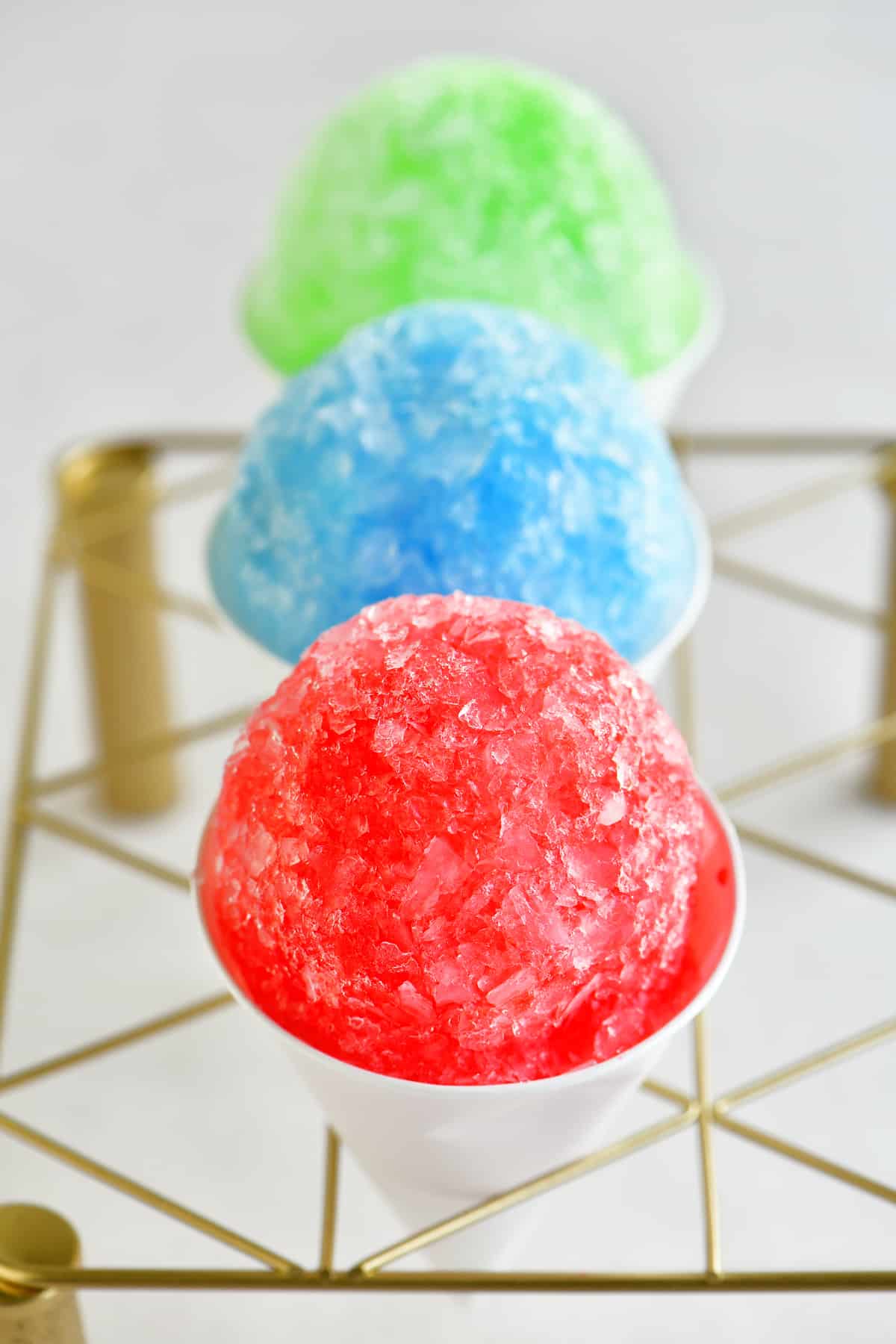
Traditionally, snow cones are made by crushing ice frozen around 30°F and serving it in a cone-shaped cup. Syrups of various flavors are poured over the ice. The texture includes larger ice chunks and is crunchy. Because the syrups sit on top, they generally pool at the bottom, leaving inconsistent flavor throughout the dessert.
Shave Ice
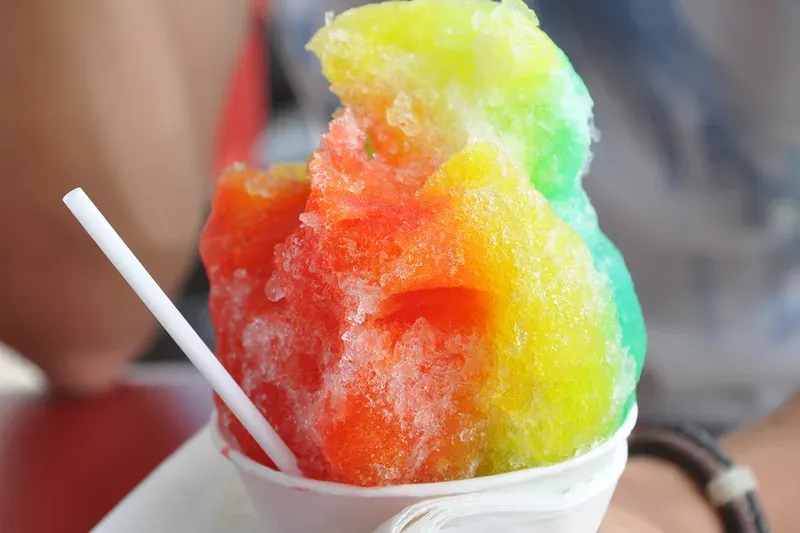
Shave ice is made using a machine with a sharp blade that shaves a solid block of ice. The result is fluffy ice with very small ice particles, compacted into a bowl. Syrups are added like a snow cone, and additional toppings like red bean or condensed milk may be included. While the fine ice does capture syrup better than snow cones, syrups still tend to pool at the bottom, creating a slushy texture as it melts. This style is rooted in deep tradition and is a popular dessert in Hawaii.
Shaved Snow
At Vampire Penguin, we do things a little differently.
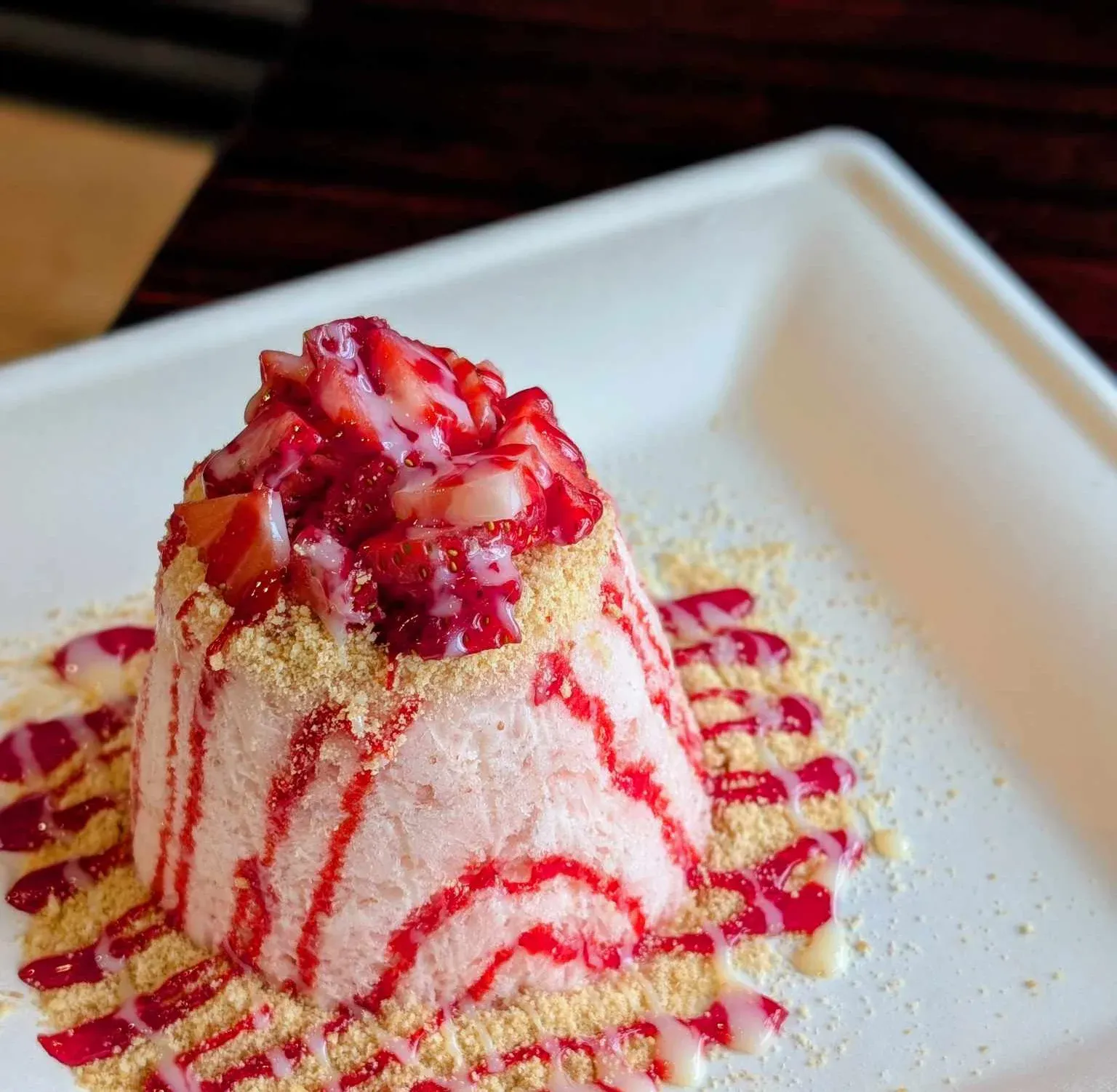
Our shaved snow begins with water and our proprietary flavor mixes. We blend in ice to create a smoothie-like texture, then freeze these “smoothies” down to an astonishing -50°F—yes, you read that correctly! This freezing process takes 24–48 hours to ensure the blocks are fully frozen and reach the ideal temperature.
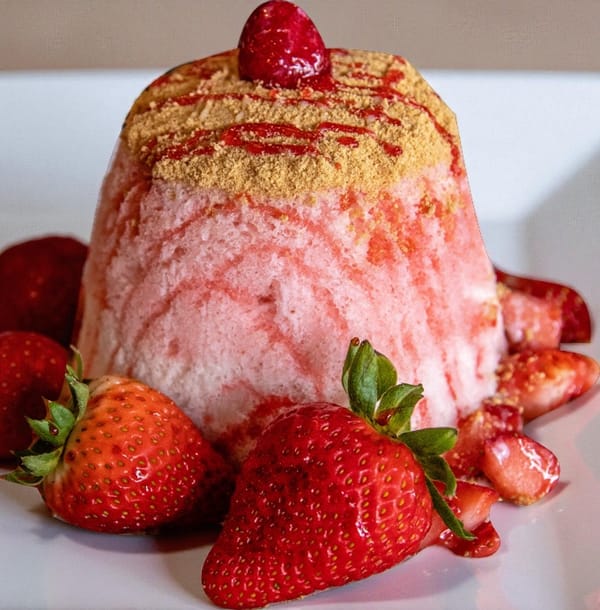
The result is a light, fluffy texture, similar to freshly fallen snow—no ice chunks, no crunch, just silky, soft snow.
Because we don’t use syrups, the flavor is consistent and rich from top to bottom. And when it melts? It melts like ice cream, not into a sugary puddle, giving a smooth, creamy finish.
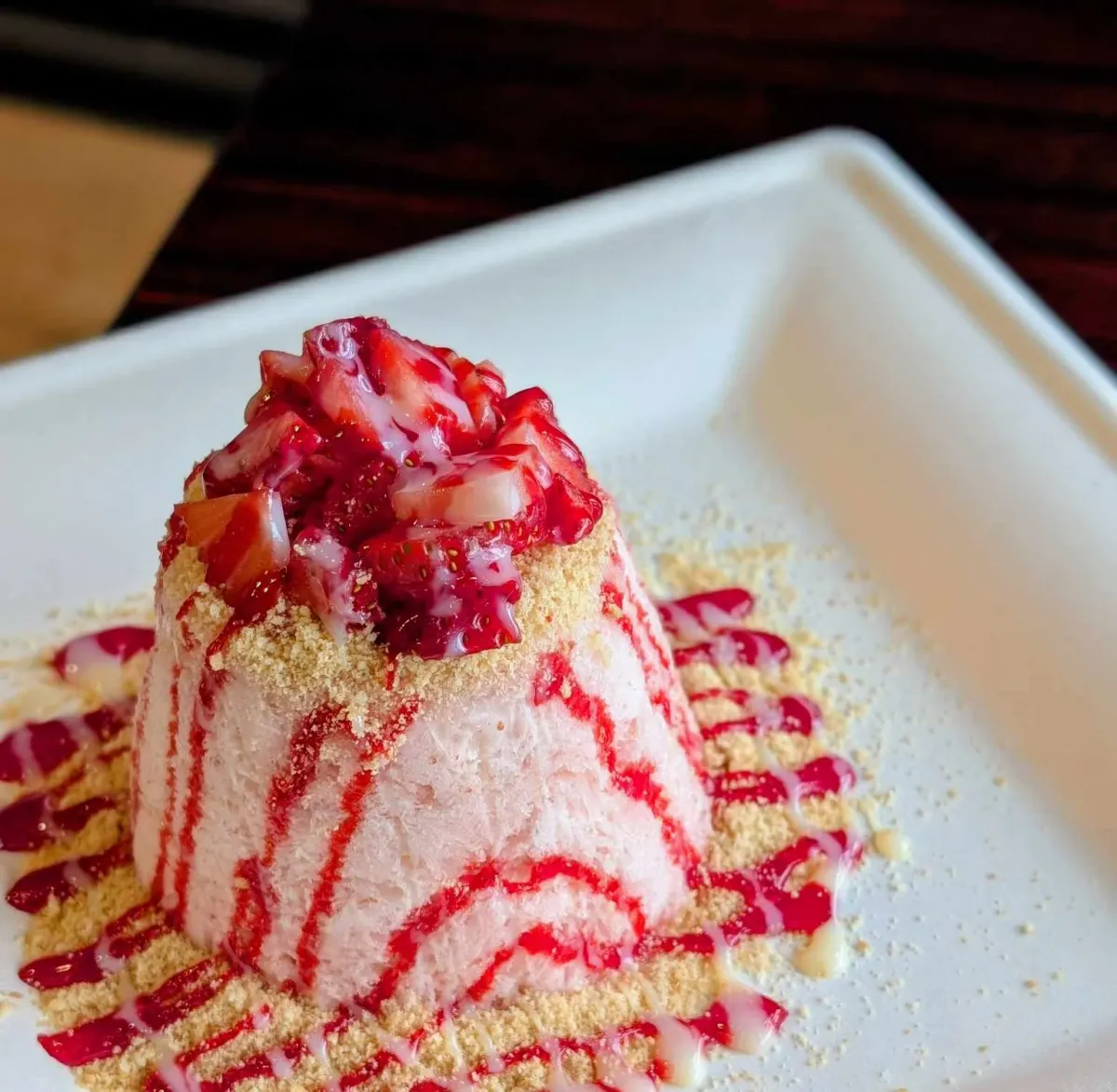
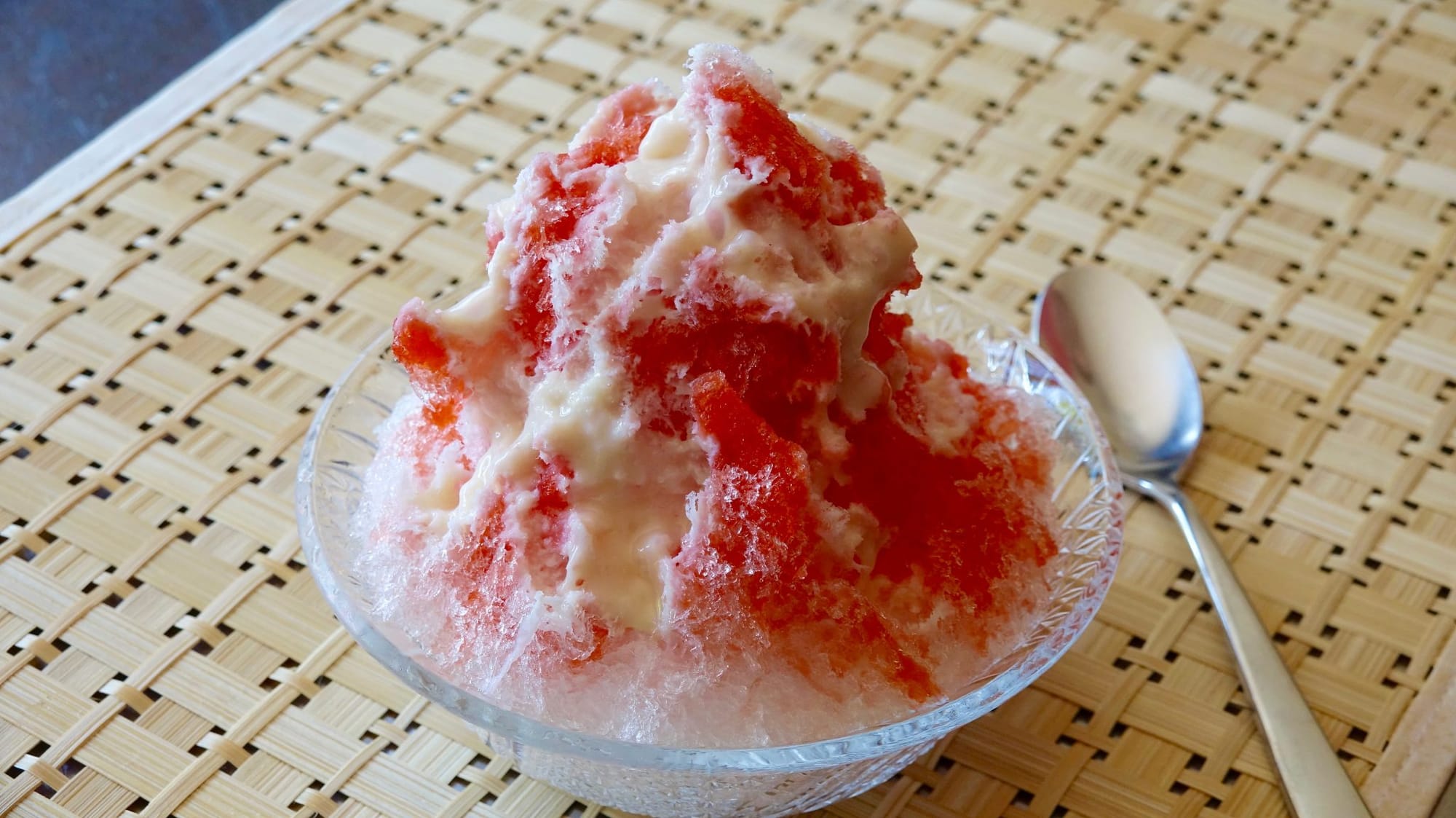
Our shaved snow is distinct from other shaved ice desserts like Bingsu (Korean style) or Kakigori (Japanese style). Here's an example of traditional Kakigori – Check the photo credit link for a delicious recipe you can make at home!
We can add toppings like condensed milk, but it’s not the main focus. The star is the soft, flavorful snow itself—a dessert experience unlike any other.